Listening to Black Small Business Owners and Side Hustlers in the Digital Age.
A multimedia interview project
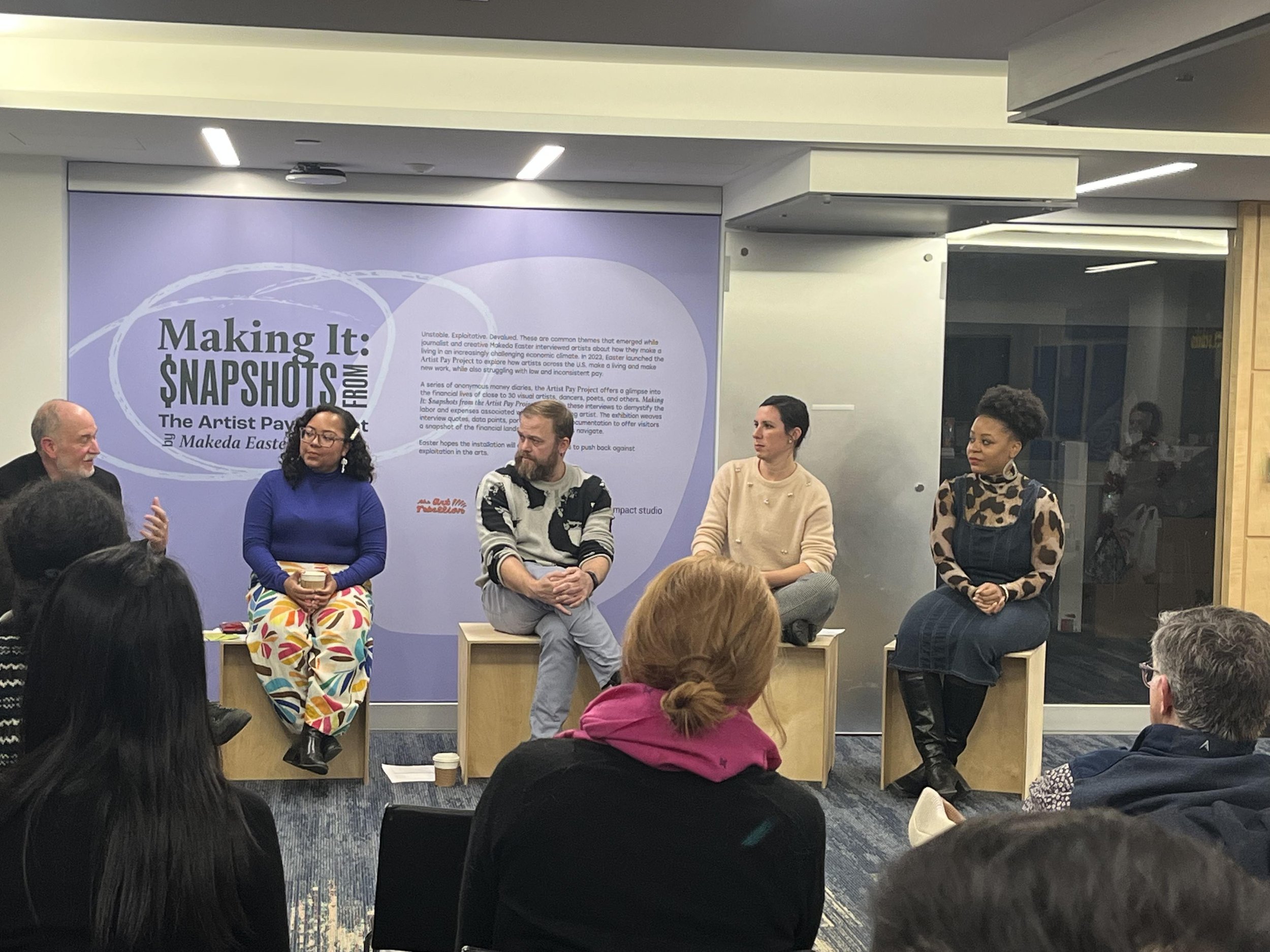
Erykah serving on a panel about pay transparency for artists at an installation created by journalist Makeda Easter, December 2024.
About the Project
My dissertation uses in-depth interviews to examine how Black entrepreneurs navigate online platforms in relation to their values around work.
I ask interview participants questions about how they make sense of their own labor, particularly as they adhere to or resist values like self-reliance and efficiency in a society dominated by digital technologies.
If they use online platforms to run their business, I ask them to walk me through 1-2 of the most important online platforms to them.
—————————————————————————————————————
Frequently Asked Questions:
-
Yes! Interview participants receive $70 for a 1.5 hour interview. Participants will be paid either e-gift cards through Dash Solutions or receive physical pre-paid gift cards in the mail.
-
Interviews will be conducted on Zoom. I can arrange in-person interviews for Michigan and Ohio residents as well.
-
Absolutely not! I’m interested in interviewing Black small business owners of all kinds, including those who run their businesses part-time or alongside other jobs. You don’t need to be a full-time entrepreneur to share your experiences: everyone’s story is valuable.
-
Yes. I ensure that your personal identity is not attached to the information reported in my thesis and in other public writing formats (e.g., articles, reports, etc.).
During the interview, you will have the chance to select your pseudonym, or one will be chosen for you. Great care is taken to remove identifiable information about your business and identity.
Interview transcripts are private and only accessible to me and my research assistants, who have gone through rigorous research ethics and participant data protection training.
Have more questions?
Contact me at erykahb@umich.edu. Learn more about me here.
This study is approved by the University of Michigan Institutional Review Board (HUM00283338).
What we’ll discuss in the interview:
-
Technology
I ask entrepreneurs about how they use digital platforms to showcase their work, connect with customers, and build communities. Their experiences reveal both the possibilities and challenges of navigating technologies.
-
Work
I ask entrepreneurs about the realities of balancing passion with the demands of running a business. Their stories highlight the need for constant adaptation and increased visibility in the digital marketplace, along with the unique barriers they face.
-
Identity
I ask entrepreneurs how aspects like racial identity, gender, and educational background shape their experiences online. I’m especially interested in how these personal factors influence opportunities, challenges, and the ways they build resilience and support within their communities.
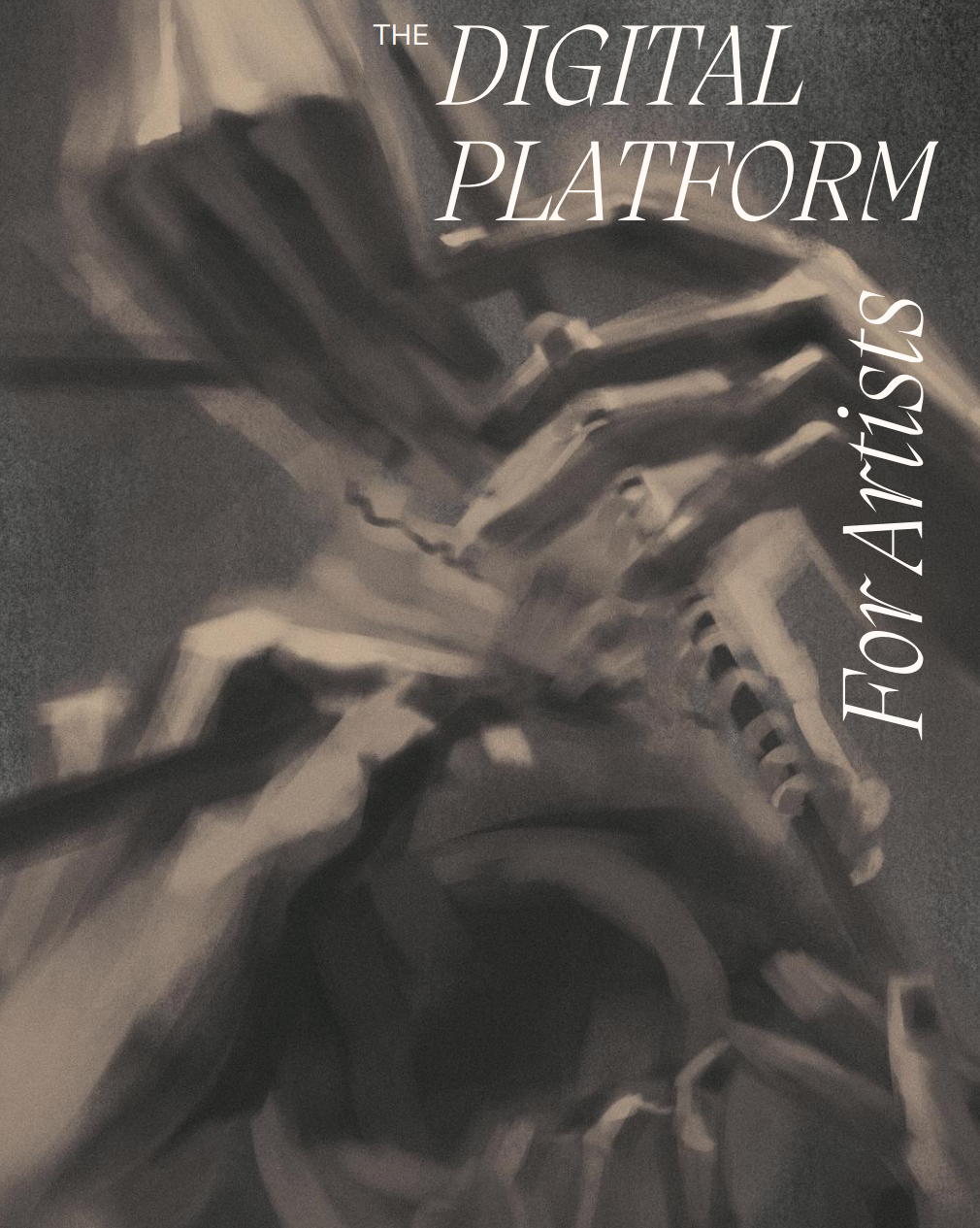
Mini-Zine: The Digital Platform for Artists, A guide on selling art on digital platforms, by Research Assistant Halle Chen
Early Findings
-
Black entrepreneurs have long depended on strong community ties to succeed both economically and socially. In my interviews with Black creative entrepreneurs and artists, I discovered that both online and in-person networks are vital for sharing business tips, celebrating art, and offering support—especially when facing racial harassment online. I shared these findings at the 2024 NCID anti-racism showcase. Click here to listen to the presentation.
-
Between 2019 and 2025, Diversity, Equity, and Inclusion (DEI) initiatives briefly influenced how e-commerce sites like Etsy and Shopify marketed Black artists, often using racially focused campaigns to show support for social justice. Based on interviews with 28 Black artists, this research shows that while these platforms promised inclusion, their efforts were often temporary and required artists to work harder to stand out. These fleeting campaigns made Black creators highly visible for a short time, but the support rarely lasted, making it difficult to balance genuine passion for their art with the pressures of online promotion. As a result, Black artists are rethinking their sense of purpose and audience. This research will be featured in a forthcoming journal article from University of California Press.
-
AI regulation is rapidly reshaping both our economy and daily life. Instead of sweeping federal rules, states and local governments have stepped up with their own laws to protect consumers and workers from AI’s risks, creating a patchwork of regulations across America. In May 2025, Research Assistant Aanya Panyadahundi created a clear, engaging report highlighting key examples of this AI legislation and how it might impact people nationwide. Click here to read her report.