

Work, identity, and technology.
Reimagining what’s possible.

Select Funding Support
Population Studies Center NICHD Traineeship (2021)
National Science Foundation (2023)
Bowman Center Anti-Racism Grant (2024, 2025)
Rackham Student Research Grant (2023, 2025)
Publications in Press
-
This essay examines the corporate response to racial justice movements between 2019 and 2025. Drawing on interviews with 28 Black creative entrepreneurs using Etsy, Instagram, and TikTok, I apply Keeanga-Yamahtta Taylor’s concept of “predatory inclusion” to analyze how these Black creative entrepreneurs navigate racially inclusive marketing and platform algorithms. Predatory inclusion describes how platforms offer temporary, conditional access that promises opportunity while preserving systemic inequalities. I highlight how in online spaces predatory inclusion takes on communicative and functional dimensions; racially inclusive campaigns and digital tools that facilitate visibility briefly amplify the visual presence of Black entrepreneurs without providing sustained visibility or economic security. I argue that the pressures of online monetization threaten to subsume creative labor. Ultimately, this essay elucidates how Black creatives are developing alternative understandings of purpose and audience that extend beyond platform visibility, offering a vital critique at the intersection of art, marketing, and platform studies.
Forthcoming Article in Feminist Media Histories, a peer-reviewed journal by University of California Press.
Author: Erykah Hafner
-
Between 2019 and 2020, grocery delivery services grew in popularity, offering convenience by making food easier and quicker to access without needing to travel. These services also present a potential tool to reduce food insecurity, especially for those facing transportation barriers. This study explores how grocery delivery relates to food access challenges in Detroit. We use data from the Detroit Metro Area Communities Study, a representative sample of Detroit (N = 1,844). Results show that grocery delivery use is linked to transportation insecurity and increased interest in digital platforms. Detroiters who received food assistance were more likely to report using grocery delivery. These findings underscore the importance of expanding grocery delivery technologies, particularly for SNAP recipients, and highlight the need for a multifaceted approach to improving access to fresh food (Michigan Journal of Public Affairs Volume 22).
Author: Erykah Benson & Love Lundy
-
To address the problem of disjointed approaches to AI and equity, our proposed project develops new methods and research frameworks to interrogate how AI technologies and applications may be used for social good. We have developed a framework called “Needs Translation” that integrates and foregrounds the complex needs of the various stakeholders in the technoculture ecosystem. Though these needs are often portrayed as being at odds with each other, we contend that each need, needs translation for the other groups, so that the rights and needs of the most marginalized and/or most impacted communities are represented in the industrial decisions and design of emerging artificial intelligence, algorithmic technologies, and technology implementation. In our talk, we explore the Needs Translation framework in action by presenting a case study of work conducted by our team with a leading dating company. We examine and refine the Needs Translation framework with an industry partner (Proceedings of the Hawaii International System Sciences Conference).
Authors: Apryl Williams, Kyla Brathwaite, Jasmine Bans, Erykah Benson, Mel Monier, Janae Sayler, Gabriel Paredes
-
As a growing number of states and municipalities consider reparative policies for Black Americans, it is important to understand what shapes support for and opposition to these policies. We explore the role that awareness of racial inequality plays in shaping attitudes. Drawing on data from a large, representative survey in Detroit and one national survey, we find that awareness of racial inequality plays a powerful role in the likelihood of supporting reparative policies. Yet, in follow-up surveys, we find that exposing respondents to information on the rationale for and importance of reparations does not shift public support. These findings suggest that it is the awareness of racial inequality that is cultivated over time that appears to be the dominant force in building support for reparations. These findings are particularly important during a time when many school districts are severely restricting access to information about the history of Black Americans.
Hudgins, K., Benson, E., Carr, S., Simington, J., Walker, Z., Cruz, J., Hutchings, V., Lewis, E., Ostfeld, M. C., & Young, A. Crafting Democratic Futures: Understanding Political Conditions and Racialized Attitudes Toward Black Reparations. RSF: The Russell Sage Foundation Journal of the Social Sciences, 10(3), 49–67. https://doi.org/10.7758/RSF.2024.10.3.03
Invited Op-Eds
-
Public commentary on the pace of reparations policy development in Detroit.
Hudgins, K., Benson, E., Ostfeld, M., Hutchings, V. (2024). “Detroit reparations task force now has until 2025 to make its report, but going slow with this challenging work may not be a bad thing.” 10.64628/AAI.mack3qfcx.
Policy Reports
-
A survey analysis on the use of grocery delivery services in Detroit and its linkages to transportation access challenges.
-
A survey analysis on Flint residents’ attitudes toward local-level reparations policy in Flint during the height of the reparations task force development in the city.
-
A survey analysis focusing on the connection between Detroiters’ knowledge of historic racial discrimination and their support for local-level reparations policy.
-
A survey analysis that focuses on Detroiters’ support for local-level reparations and their likelihood to participate in the Fall 2022 Midterm Elections.
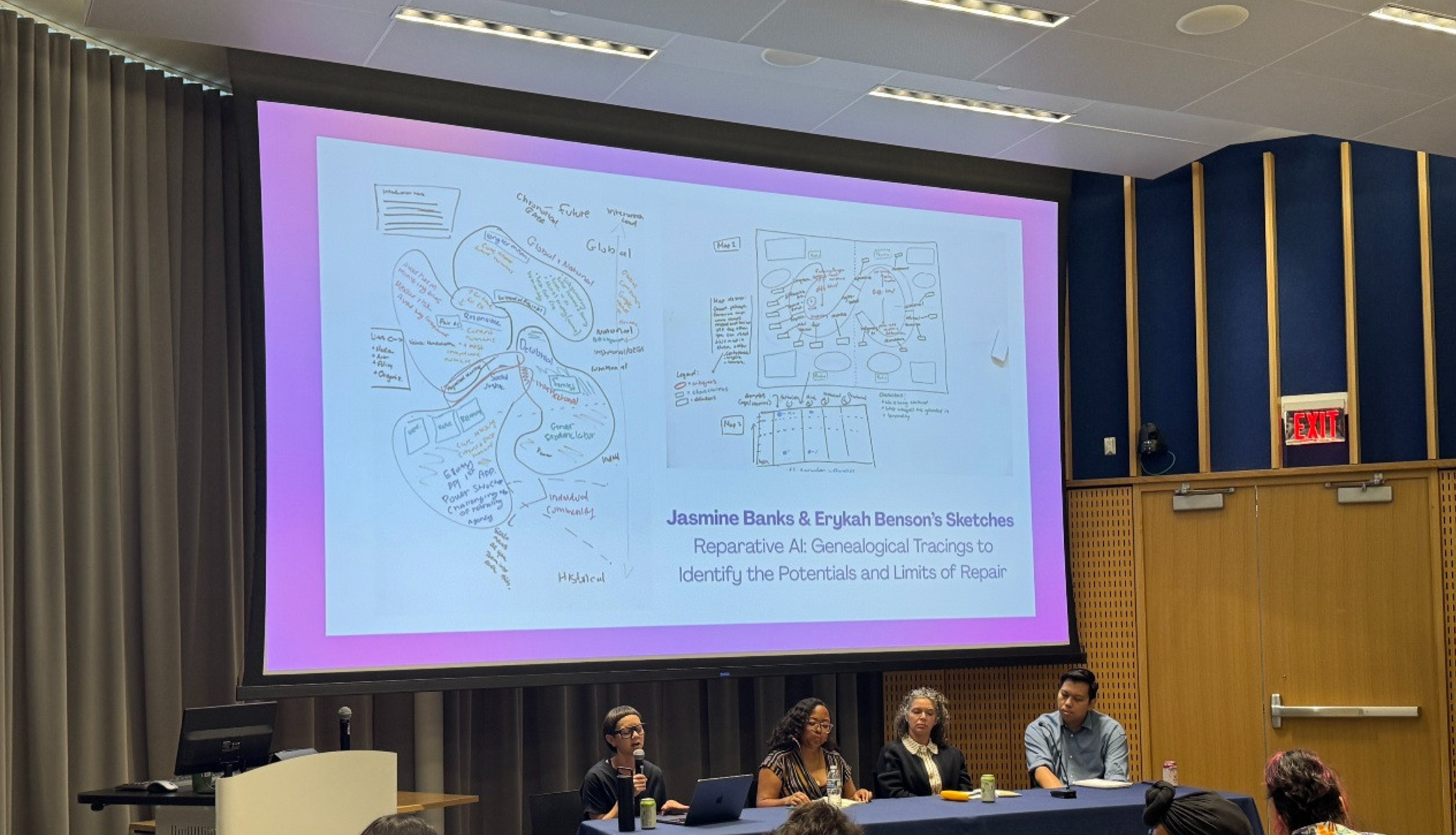
Erykah presenting early research on artificial intelligence policymaking with coauthors Ellie Abrons, Germaine Halegoua, and Matthew Bui (Left to Right). 2025 Digital IDEAS Institute, Ann Arbor, MI.
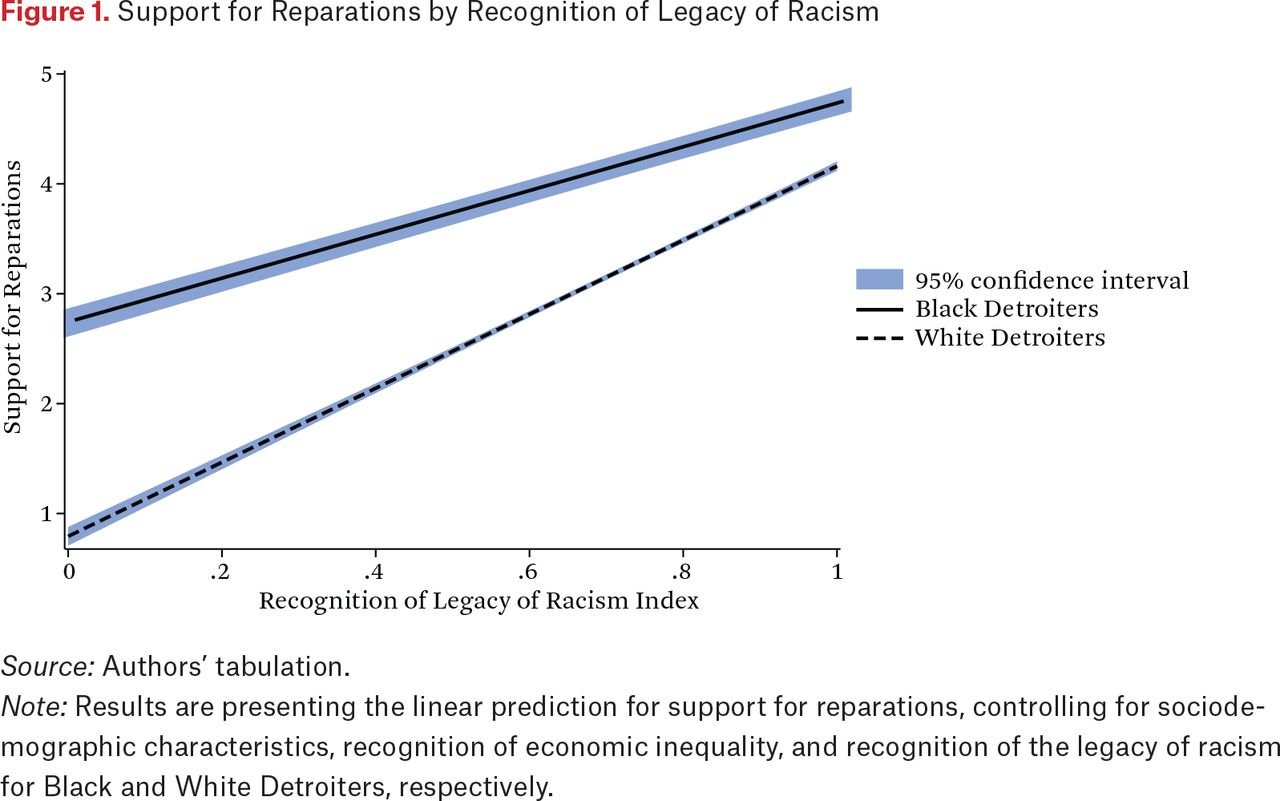
Figure 1. Created by Erykah Hafner. Published in Hudgins et al. (2024).